האחדות
The Unity
Shchunat Ezrat Yisrael, Yerushalayim · Since 1910
Tel Aviv Apartment

Tel Aviv Apartment

Category: News

  • Yom Kippur Eve Terror: Father Murdered Near Neve Tzuf — Synagogue Attacked in Belleville, Canada

    Yom Kippur Eve Terror: Father Murdered Near Neve Tzuf — Synagogue Attacked in Belleville, Canada

    IsraeliPM source citation: “The Prime Minister’s Office: The grotesque absurdity of Emmanuel Macron’s statement is staggering. On Sunday, the eve of Yom Kippur, just two days ago, Netanel Shukrun—a FRENCH CITIZEN and father of six—was murdered in his car by a Hamas terrorist in Judea and Samaria. With his final breath, he told his son to run. Hamas terrorists carry out attacks against Jews almost every day. They have murdered countless Israeli civilians in Judea and Samaria. Ignorance is NO EXCUSE for erasing their blood.”

  • Moving to Tel Aviv? How Israel’s Health Kupot — and Vet Care — Work in 2026

    Moving to Tel Aviv? How Israel’s Health Kupot — and Vet Care — Work in 2026

    By Arik Idan — Tel Aviv Apartment / The UNITY

    Tel Aviv — 20 September 2026. If you are signing a lease, buying a flat, or landing as an oleh this autumn, two apartment-life questions land on day one: which kupat holim (health fund) you join, and — if a dog or cat is part of the move — where the nearest vet and emergency clinic sit. Israel runs universal resident coverage through four competing kupot, world-class hospitals a short ride from the city, and one of the densest pet-care networks on the Mediterranean. This is the practical map for September 2026 — not a festival calendar, a relocation desk note.

    Four kupot, one basic basket — how coverage actually works

    Every Israeli resident is attached to one of four public health funds financed through the National Insurance Institute (Bituach Leumi): Clalit, Maccabi, Meuhedet and Leumit. Each delivers the statutory “health basket” (basic package of doctor visits, hospital care, medicines and procedures) and sells optional complementary insurance at relatively accessible premiums. You choose a fund; you do not go without a fund if you are a covered resident.

    • Clalit Health Services — the largest fund, covering more than half of residents; owns a major hospital network (including Soroka, Meir and Schneider Children’s) and well over a thousand neighbourhood clinics.
    • Maccabi Healthcare Services — roughly a quarter of the population; known for advanced digital tools, a wide specialist network and links to the Assuta private hospital chain.
    • Meuhedet — strong in big cities and Jerusalem; emphasises personal family medicine and faster primary-care access.
    • Leumit — dense local medical centres; stresses personalised follow-up and complementary therapies.

    For olim and new renters: register with a kupah as early as your residency status allows, keep the membership card on your phone, and use the fund’s app for appointments and shared medical records. Switching funds is possible under Israeli rules, but start with one and learn its clinic map near your new address — Florentin, Old North, Ramat Aviv and Jaffa do not all share the same branch density.

    Hospitals near Tel Aviv life: Sheba, Ichilov, Hadassah, Rabin

    Israel’s hospital network mixes government, public and private campuses. For Tel Aviv apartment life the names you will hear most are Sheba Medical Center (Tel Hashomer, Ramat Gan), Tel Aviv Sourasky Medical Center (Ichilov), Hadassah in Jerusalem, and Rabin Medical Center / Beilinson in Petah Tikva — centres that routinely appear in international rankings for oncology, cardiology, transplants and advanced surgery.

    Newsweek’s World’s Best Hospitals lists, compiled with Statista, have repeatedly placed Sheba among the global top ten — 8th worldwide in the 2025 edition and 7th in the 2026 edition, according to Sheba Global and Globes. Ichilov, Hadassah Ein Kerem and Rabin/Beilinson have also ranked inside Newsweek’s broader world lists in recent cycles. Rankings are not a guarantee for your next ER visit; they are evidence that tertiary care capacity sits inside ordinary commuting distance of a Tel Aviv lease.

    Emergencies go to the nearest appropriate ER; elective care usually routes through your kupah’s referral rules. Keep your kupah card, ID and any complementary-insurance details with your lease paperwork — landlords do not handle this, but moving day is when people forget it.

    Tel Aviv as dog capital — 700+ clinics and Koret Beit Dagan

    Tel Aviv is widely nicknamed a world dog capital: high pet ownership, dedicated dog parks, and dog-friendly stretches of Mediterranean beach. The veterinary layer matches that culture. Industry and Unity briefings put the active private and clinic network in the 650–700+ range nationwide, with neighbourhood clinics in most municipalities and 24/7 veterinary hospitals offering imaging (MRI/CT), intensive care and major surgery.

    The national referral hub for complex animal medicine is the Koret School of Veterinary Medicine / University Veterinary Teaching Hospital at Beit Dagan, linked to the Hebrew University — the centre you hear about when a neighbourhood clinic escalates a case. For a renter: before you sign, confirm the building’s pet clause, nearby off-leash parks, and the after-hours vet number you will actually call at 2 a.m.

    Pet insurance and digital health — what to budget

    Alongside human complementary cover, Israelis use private pet insurance and clinic membership plans (names commonly cited include Haphenix Pet and Shirbit, plus direct clinic subscriptions) for consultations, surgery, vaccines and emergency care for dogs and cats. Compare exclusions the way you would a human policy: waiting periods, breed rules, and whether ER visits are in-network.

    On the human side, shared digital records, app booking and tele-consultation are now normal across the kupot. That is the quiet advantage for someone new to the city: you can find a Hebrew/English-speaking family doctor, book bloodwork, and locate an ER without knowing every street yet. Pair that with a written list of your building’s nearest kupah clinic, pharmacy and vet — tape it inside a kitchen cupboard if you must.

    Bottom line for olim, renters and buyers: On 20 September 2026 the practical Tel Aviv package is four kupot (Clalit, Maccabi, Meuhedet, Leumit) for universal resident care, tertiary hospitals including Sheba (Newsweek world top-ten in 2025–2026), Ichilov, Hadassah and Rabin/Beilinson within reach, plus 700+ vet clinics and Koret Beit Dagan for pets — register your kupah early, check the lease’s pet clause, and save the after-hours vet and ER routes before the first weekend in the flat.

    FAQ

    What are the four Israeli health kupot?

    Clalit, Maccabi, Meuhedet and Leumit. Every Israeli resident joins one. They deliver the statutory health basket funded via Bituach Leumi and sell optional complementary insurance.

    Which hospitals matter most if I live in Tel Aviv?

    Sheba (Tel Hashomer), Ichilov (Tel Aviv Sourasky), Rabin/Beilinson (Petah Tikva) and Hadassah (Jerusalem) are the names most often cited for advanced care. Sheba ranked 8th globally in Newsweek’s 2025 list and 7th in the 2026 list.

    Is Tel Aviv really a “dog capital,” and how many vet clinics are there?

    Pet ownership is exceptionally high and the city maintains many dog parks and dog beaches. Briefings for this guide put Israel’s active veterinary clinic network in the 650–700+ range, with 24/7 emergency hospitals and the Koret University Veterinary Teaching Hospital at Beit Dagan as the national referral centre.

    Do I need pet insurance in Israel?

    It is optional but widely used. Private pet policies and clinic membership plans can cover consultations, surgery, vaccines and emergencies. Read waiting periods and exclusions carefully.

    What should a new renter or oleh do in the first week?

    Join or activate a kupah, download its app, locate the nearest clinic and ER, confirm pharmacy hours, and — if you have a pet — verify the building’s pet rules and the nearest 24/7 vet.

    Sources

    1. Newsweek / Statista — World’s Best Hospitals 2025
    2. Sheba Global — 2026 World’s Best Hospitals list
    3. Clalit Health Services — official site
    4. Maccabi Healthcare Services
    5. Koret School of Veterinary Medicine / Hebrew University

  • Israel’s Financial System and the Tel Aviv Stock Exchange Hold Firm — What Buyers Should Know (Sept 2026)

    Israel’s Financial System and the Tel Aviv Stock Exchange Hold Firm — What Buyers Should Know (Sept 2026)

    By Arik Idan — Tel Aviv Apartment / The UNITY

    Tel Aviv — 20 September 2026. Israel’s foreign-exchange reserves closed August at a record $241.641 billion — up $2.850 billion from July and equal to 34.9% of GDP — the Bank of Israel reported on 7 September. For anyone buying, remortgaging or signing a long lease in Tel Aviv this autumn, that peg matters: a central bank with deep FX firepower, five large banks that kept capital buffers above Basel-style floors, and a Tel Aviv Stock Exchange (TASE) that still clears trades through geopolitical noise. Soft headlines about volatility are real; a frozen mortgage market is not what the official data describe.

    The monthly rise was driven mainly by asset revaluation (about $2.590 billion) and government foreign-currency activity (about $330 million) — mechanical balance-sheet moves, not a crisis print.

    Those reserves sit behind the shekel and behind domestic credit. The Bank of Israel’s job in this cycle has been familiar: steer interest rates, manage liquidity, and keep credit flowing to households and firms even when risk premia spike. For a Tel Aviv buyer, the practical read is continuity of mortgage and construction finance — not a promise that rates will fall next week.

    Supervisors have also pushed temporary borrower-relief frameworks alongside structural competition work; the point for apartment readers is that the system was built to absorb shocks without shutting the mortgage window overnight.

    Digital banking is now the default channel for many households. That matters less as a tech boast than as operational continuity: statements, transfers and loan paperwork keep moving when physical branches are quieter. Targeted, time-limited mortgage and business-loan relief measures have appeared in past stress windows; treat those as temporary policy tools, not a permanent discount on your rate sheet.

    TASE: TA-35, TA-125, and what the exchange

    Bank equities are a large share of that tape. Robust balance sheets at the five majors help explain why market stress has often meant volatility and wider spreads rather than a trading halt. Energy and export-oriented tech listings supply a second pillar. None of that is investment advice; it is the plumbing that sits next door to the housing market’s funding chain.

    Export-oriented tech, VC themes, and structural housing demand

    Israel’s growth story still runs on a dual track: an export-oriented high-tech sector that sells most of its product abroad, and a domestic economy of construction, retail, services and energy listed and financed at home. Venture and institutional capital continue to favour themes such as cybersecurity, climate-tech, AI and defence-tech — sectors that tend to invoice in foreign currency and keep cash flowing when local demand

    What Tel Aviv buyers and renters should actually do with this

    Three practical checks beat a macro lecture. First, ask your bank or broker whether your mortgage track (prime, fixed, or mixed) still prices normally and what documentation they need this month — continuity of process is the signal.

    Bottom line for renters and buyers: On 7 September 2026 the Bank of Israel confirmed end-August FX reserves at a record $241.641 billion (+$2.850bn vs July; 34.9% of GDP), while the five major banks and TASE (TA-35 / TA-125) kept clearing credit and trades through geopolitical stress — plan your Tel Aviv mortgage and lease on documented continuity of bank credit and structural housing demand, not on rumour.

    FAQ

    How large were Israel’s foreign-exchange reserves in August 2026?

    According to the Bank of Israel’s 7 September 2026 press release, reserves at end-August 2026 stood at $241.641 billion (exactly $241,641 million), up $2.850 billion from end-July, equal to 34.9% of GDP. Globes reported the same peak the same day.

    Which banks dominate Israel’s commercial banking system?

    Five large groups anchor the system: Bank Leumi, Bank Hapoalim, Israel Discount Bank, Mizrahi-Tefahot, and First International Bank of Israel (FIBI). Bank of Israel supervisory publications for 2025 described capital and liquidity ratios as remaining high, with CET1 buffers above regulatory requirements.

    What are TA-35 and TA-125 on the Tel Aviv Stock Exchange?

    They are TASE’s main benchmark equity indices. TA-35 tracks the largest listed companies; TA-125 is a broader large- and mid-cap benchmark. Bank, energy and tech names heavily influence both — which is why banking-system resilience shows up in market plumbing as well as in loan desks.

    Second, separate listing medians and sale-price indices from your building’s comparable flats; national resilience does not freeze every asking price. Third, if you are an oleh or a foreign buyer, plan FX conversion and transfer timing against BoI and bank calendars, not against social-media panic about “collapse.”

    Public-debt discipline, keeping foreign capital engaged on TASE, and broadening workforce participation in tech remain the medium-term policy tests the French and English Unity briefings both flag. They are watch-list items, not a reason to abandon a well-underwritten purchase.

    softens.

    On housing, the structural point is demographic pressure, not a single month’s index print. Population growth and household formation keep a floor under long-term demand for homes in the Tel Aviv metro even when sale prices wobble year on year and when geopolitical risk premia rise. Temporary tension in construction or sales volumes does not cancel the need for roofs; it changes negotiating tempo. For TAA readers, that means treat “soft sale prices” and “firm rents” as separate questions — and treat bank credit availability as a third.

    tually clears

    The Tel Aviv Stock Exchange is Israel’s primary listed-capital venue. Benchmark indices TA-35 and TA-125 concentrate the country’s largest banks, energy names (including natural-gas exposure) and listed tech and industrial names. When geopolitics hits the tape, the exchange still functions as a price-discovery and clearing venue aligned with international trading standards — which is why institutional money can stay engaged even when sentiment is sour.

    Five banks, CET1 buffers, and credit that kept moving

    Israel’s commercial banking core remains five large groups: Bank Leumi, Bank Hapoalim, Israel Discount Bank, Mizrahi-Tefahot, and First International Bank of Israel (FIBI). The Bank of Israel’s banking-system survey for the first half of 2025 described capital and liquidity ratios as remaining high, with CET1 around the mid-11% range and well above regulatory minima — a Basel III–style buffer story, not a under-capitalised one.

    The September peg: record FX reserves, not a rumour

    On 7 September 2026 the Bank of Israel published its monthly reserves release: end-August holdings stood at $241,641 million, an increase of $2,850 million from end-July. Reserves relative to GDP were 34.9%. Globes carried the same figures the same day, calling the level a new peak.

  • Tishrei in Tel Aviv: Hours Before Yom Kippur — Then Sukkot on the Balconies

    Tishrei in Tel Aviv: Hours Before Yom Kippur — Then Sukkot on the Balconies

    By Arik Idan — Tel Aviv Apartment / The UNITY
    20 September 2026 — a few hours before Yom Kippur in Israel

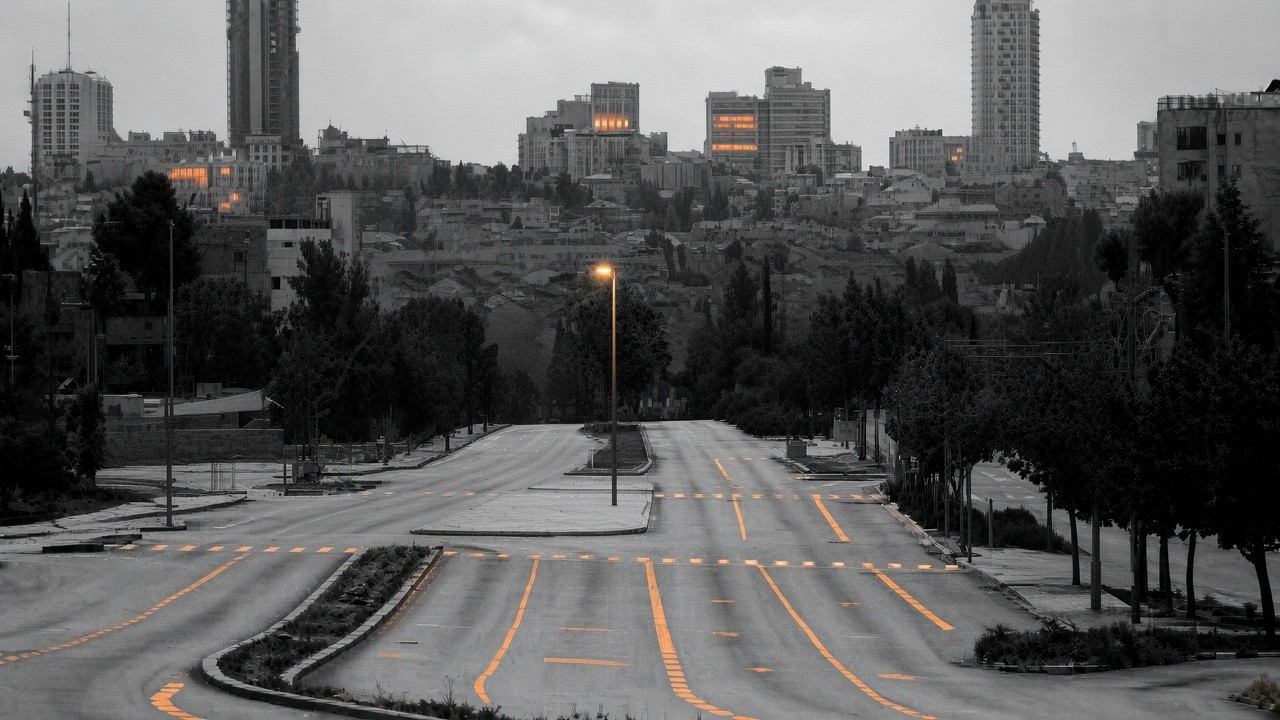
    Tel Aviv — In a few hours, this city’s noise will drop. Highways empty. Children bike the boulevards. White clothes appear on the sidewalk. That is not metaphor. It is the annual fact of Yom Kippur in Israel — and if you rent or buy here, it is how the apartment building breathes for twenty-five hours.

    The High Holidays this year form a single arc. Yom Kippur begins at sundown on 20 September 2026 (fast day 21 September); Sukkot opens at sundown on 25 September and runs through 2 October. First the silence. Then the temporary huts under the sky.

    Hours before the fast: Tel Aviv stops as one

    As early autumn settles over Israel, the summer heat yields to a soft evening breeze and the frantic rhythm of daily life slows. In the days — and now the hours — leading up to Yom Kippur, the Day of Atonement, the country enters a pause unlike any other on Earth.

    From the avenues of Tel Aviv to Jerusalem, from the northern hills to the southern desert, sunset clears motor traffic. Boulevards become walkways. Children ride empty expressways. People in white gather outside synagogues and neighbourhood corners. Media, commerce and transport yield to a national stillness meant for inner listening.

    Four marks of the day, familiar to anyone who has lived a full year in an Israeli building:

    • White garments — humility, a clean slate, a brief equality of dress in the stairwell and on the street.
    • Slichot and forgiveness — Gmar Chatimah Tovah exchanged with neighbours and strangers.
    • Kol Nidre — the opening prayer, ancient melodies in crowded halls and open-air gatherings.
    • Twenty-five hours of stillness — no cars, muted commerce, a quiet shaft of the building.

    This year the day also carries national weight: a pause to honour the dead, to pray for safety, and to hold a community bound by memory and mutual care. Rather than a purely solemn fast, it radiates a quiet, resilient strength — hope and togetherness without slogans.

    For apartment dwellers the practical translation is blunt. Finish shopping and travel before candle-lighting. Expect silence in the stairwell. Expect empty roads if you walk — and almost no cars if you thought you needed one. As the fast ends, synagogues overflow for Ne’ilah; the long blast of the shofar returns the city to light, food, and ordinary noise.

    After the shofar: Sukkot comes to the balcony

    Five days later the same balconies change costume. Sukkot — the Feast of Tabernacles, also called Zman Simkhatenu, the season of our joy — turns roofs, courtyards and apartment terraces into temporary homes. Families raise a sukkah: a hut open enough to glimpse the stars, lived in for meals and, where possible, for seven days of hospitality.

    In Tel Aviv blocks the festival climbs the façades: shared roofs and balconies fill with frames and foliage, children hang paper lanterns, hammers echo for a morning after Ne’ilah. Pop-up markets sell the Four Species — etrog, lulav, hadass, arava — held and waved to the four directions, a ritual of unity made visible. The city does not hide the hut. It wears it.

    Under the tradition of Ushpizin — spiritual guests of honour, and real ones too — doors open. Travellers, cousins, and the person from 4B sit under string lights. For renters weighing a lease, this week is a live demo of Israeli density done as hospitality.

    What renters and buyers should clock this week

    • Yom Kippur (sundown 20 Sept → nightfall 21 Sept): no traffic, full fast for observers, quiet buildings; plan before sundown.
    • Sukkot (sundown 25 Sept → 2 Oct): balcony and roof sukkahs; Chol HaMoed mid-week; holiday rhythm for schools and many offices.
    • Building reality: many apartments host a sukkah on the balcony or roof — part of how the building keeps the season.

    Bottom line. A few hours from now, Tel Aviv goes quiet for Yom Kippur. From 25 September, the same balconies grow sukkahs. Living here means both: the sealed day of reflection, then the fragile roof and the open table. True strength, as this city shows each autumn, springs from empathy, togetherness, and the belief that tomorrow still opens.

    FAQ

    When is Yom Kippur 2026 in Israel?

    It begins at sundown on 20 September 2026 and ends at nightfall on 21 September 2026.

    When is Sukkot 2026 in Israel?

    Sukkot begins at sundown on 25 September 2026 and ends at nightfall on 2 October 2026, followed by Shemini Atzeret / Simchat Torah.

    Can you build a sukkah on a Tel Aviv apartment balcony?

    Yes — balcony and roof sukkahs are a familiar part of Tishrei in Tel Aviv apartment life. Build safely and enjoy the week under the leaves.

    Do Tel Aviv apartment buildings stay open during the High Holidays?

    Yes. Yom Kippur is quiet and mostly closed for traffic and commerce; Sukkot is festive, with many balconies hosting sukkahs. Building services vary — ask your va’ad bayit.

    Sources

    1. Time and Date — Holidays in Israel 2026 (Yom Kippur, Sukkot)
    2. Hebcal — Sukkot 2026 (Israel)
    3. Chabad.org — When Is Sukkot in 2026
  • “Teloshima”: the Todeswunsch of anti-Zionism?

    “Teloshima”: the Todeswunsch of anti-Zionism?

    By David Nataf

    19 September 2026 — updated 20 September 2026

    “Teloshima” never happened. The wish that coined the word keeps circulating anyway. There was no nuclear strike on Tel Aviv. What returns is footage of a wish.

    Tel Aviv — The clips do not describe this city. They describe what a certain public wants done to it.

    No nuclear weapon detonated on Tel Aviv in June 2025, March 2026, or in the mid-September 2026 search spike. Not unconfirmed.” Excluded. Israeli authorities, the IAEA, Reuters, AFP and the BBC report conventional Iranian missiles and the air-defence answer — Iron Dome, Davids Sling, Arrow. Some neighbourhoods take real blast damage. That is grim. It is not a nuclear event.

    So why does the mushroom keep coming back?

    Because for a slice of anti-Zionist culture the image is not evidence. It is a Todeswunsch: a death-wish aimed at a real city, consumed as justice.

    Obviously not: take the strike off the table

    Say it without hedging. No nuclear blast on Tel Aviv. Viral mushrooms are AI toys, Iranian threat graphics, and one French stock blunder. Treat them as such and move on — unless you want to understand the appetite that recycles them.

    Iran and Hamas strike with conventional munitions. Israel defends with a multi-layer shield. That is the only physics that matters if you rent or buy here. The other physics is psychic: the need to see Tel Aviv ended.

    What the image does that an argument cannot

    Criticism of a government is not a pathology. Collecting mushrooms over Tel Aviv, stripping the AI label, and offering the result as moral closure is not criticism. It is elimination, rehearsed.

    Call the mechanism what it is.

    Todeswunsch. Not “I oppose settlements.” Not “I want a ceasefire. A wish that the city itself — balconies, offices, children, the seafront — be finished. “Death to Israel becomes a skyline. The target word is no longer Jews”; it is “Tel Aviv,” “Zionists,” “the entity.” The picture still erases a majority-Jewish city.

    Inverted catharsis. Classical catharsis purges fear. Here fear is not purged. It is fed. The viewer does not leave the clip calmer. The viewer leaves satisfied. The mushroom is the reward. Under a Ynet clip of the French apology, one comment ran: “Boom boom Tel Aviv.” That is not analysis. That is the tell.

    Jouissance. The clip does not inform. It gratifies. Shares, stitches, “finally” captions, the Teloshima” photomontage (Tel Aviv + Hiroshima — a billboard that fact-checkers showed was Photoshop, not Tehran). The point is the shiver of an ending. The portmanteau is the wish spoken aloud. The hoarding was fake. The word was not empty.

    Dark-ego vehicle. Some political costumes attract dark traits because they license hatred with a clean conscience. Anti-Zionism, in its eliminationist register, can serve that function: you get to want a city gone while remaining, in your own story, the humanitarian. The ideology is the vehicle. The destination is the wish.

    Jean Améry, who had no patience for this register on the left, called the costume virtuous antisemitism: the old hatred wearing anti-imperial clothes. You do not need a DSM code. You need to notice when politics stops arguing and starts staging a funeral for a living city.

    RMC Découverte: the stock-library alibi

    The mid-September spike came partly from French television. It still does not make the fantasy real. It shows how easily Tel Aviv becomes the default crater — and how thin the excuse can be when someone notices.

    French documentary channel RMC Découverte first broadcast Rafale, drones et canons : la révolution des armes franaises around 1 September 2026. The film covered next-generation French arms, including the Rafale F5 and the planned ASN4G air-to-surface nuclear missile — ordered by the DGA from MBDA on 2 June 2026, not in service, aimed at around 2035.

    To illustrate ASN4G, the documentary put a mushroom cloud over a recognisable Tel Aviv skyline. Not a report of any strike. A doctrinal illustration that chose — or accepted this city as the crater.

    On 17 September 2026, Héloïse Fayet (IFRI) asked on X why France was firing a nuclear missile at Tel Aviv, and noted that the on-screen yield was far smaller than ASN4G is supposed to carry. Israel’s ambassador to France, Joshua “Yosh” Zarka, also flagged the sequence.

    On 18 September 2026 seventeen days after broadcast — RMC Découverte posted sincere apologies on X (not on its website): a “professional” stock library had incorrectly catalogued Tel Aviv; the channel pulled the film, stopped further broadcasts, promised a cut without that sequence, and reserved legal action against whoever mislabelled the city. The library was never named. No invoice, no catalogue ID, no still from the provider’s page. Only the alibi.

    The stock-library story does not name a library. Of all coastal skylines on earth, the edit landed on this one. Major image banks do not typically sell a mushroom over Tel Aviv labelled as a generic nuclear demo. Either the clip was deliberately tagged as somewhere else while everyone could still see the Azrieli towers, or the default crater was accepted because, in 2025–2026, Tel Aviv is the skyline a certain public already wants ended.

    New York, Moscow, London, Hiroshima appear in nuclear stock and fiction all the time — usually as deterrence theatre or historical mourning. Tel Aviv, here, sits inside a feed that treats the mushroom as good news. That is the difference that matters.

    Bottom line on RMC: still obviously not a nuclear strike. Apologies and withdrawal do not make the selection innocent. An unnamed bank and a late X post are not a forensic trail. They are a soft landing for a hard image.

    Viral mushrooms: propaganda, AI, and the same wish

    June 2025. A mushroom sold as an Iranian nuclear test / blast over Israel. AFP traced it to a YouTube AI / entertainment upload from weeks earlier. No credible test.

    March 2026. “Iran hitting Tel Aviv hard.” Lead Stories, Reuters, AFP, Full Fact, Tempo: AI-generated or mislabelled. Creators often wrote “AI. Recirculators stripped the label and sold panic — or sold joy.

    12 July 2025. Mehdi Mohammadi, adviser to Majlis speaker Ghalibaf, posted an Instagram story with two mushroom clouds drawn over Israel. Jerusalem Post and Iran International reported it. A propaganda threat graphic, not fallout. He later blamed an admin and deleted it, then wrote that he does not believe nuclear weapons improve Iranian deterrence. Do not confuse a map meme with physics. Do notice that the map was the wish, drawn in official-adjacent space.

    None of this cancels conventional war. Reuters, AFP, AP, BBC: sirens, interceptor streaks, blast damage when a missile gets through. Serious if you live or buy here. Categorically not a nuclear mushroom. Separate verified frames from doomsday reels — and from a French stock error already withdrawn.

    What this is not

    It is not a diagnosis of “anti-Zionism” as a mental illness. Millions of people criticise Israeli policy without collecting snuff-sketches of Tel Aviv. Pathologising a whole political camp is a trap: the same move is already used, in reverse, to call Zionism a psychosis. Refuse the trap.

    The object here is narrower and harder. The mushroom-as-reward. The inverted catharsis. The Todeswunsch that needs a coastline.

    If your politics requires Tel Aviv vaporised in order to feel complete, you are no longer describing a state. You are staging a disappearance.

    For renters and buyers

    tel-aviv-apartment.com is for people weighing a lease or a purchase. Nuclear panic from TikTok is a rotten filter. A Sora mushroom — or a mislabelled ASN4G animation — is not data. Exclude it.

    Ask the adult questions: conventional hits? mamad or miklat? Home Front alerts? disclosures after Iranian fire? That risk is real and local. The Todeswunsch in your feed is not a market signal. It is a projection aimed at the city you are about to sleep in.

    Bottom line. Obviously not — no nuclear strike on Tel Aviv. The clips that will not die are not stubborn reporting. They are a death-wish with a skyline, an inverted catharsis, sometimes a dark-ego vehicle. Real risk: conventional missiles. Real shield: Israeli air defence. Real city: still here.

    A shared name for the mechanism

    The mushroom is not a policy paper. It is a wish. Diaspora leadership — convened with Israel’s Ministry of Foreign Affairs under the J50 Forum — has begun to name the political costume that feeds wishes of this kind.

    On the eve of Rosh Hashanah, Jewish community leaders and organizations from across the Diaspora issued in Jerusalem the J50 Declaration on Zionism and Antisemitism. They reaffirm Zionism as the national movement of the Jewish people and the right to self-determination in Israel. Reaffirming the IHRA Working Definition of Antisemitism, they state that denying that right, demonizing or delegitimizing Israel, or applying double standards can constitute antisemitism and they declare, unequivocally, that anti-Zionism as manifested today denying Jewish self-determination, or demanding that Jews renounce Zionism as the price of acceptance is antisemitic.

    Israels Ministry of Foreign Affairs published the declaration officially on X: @IsraelMFA — J50 Declaration on Zionism and Antisemitism.

    That declaration does not diagnose a clip. It refuses the lie that eliminationist anti-Zionism is merely “critique.” The Todeswunsch in the feed and the J50 text meet at one point: the demand that Jewish peoplehood, and the city that embodies it, be made to disappear.

    FAQ

    Was there a nuclear strike on Tel Aviv?

    Obviously not. No credible evidence of any nuclear detonation on Tel Aviv in 20252026. Wire services and Israeli authorities report conventional Iranian missile attacks.

    Why do the mushroom videos keep coming back?

    Because they satisfy a Todeswunsch. The image is recirculated as inverted catharsis — not to establish a fact, but to enjoy an ending. That is politics as snuff sketch, not reporting.

    What did RMC Découverte apologise for?

    After Rafale, drones et canons used an ASN4G stock animation with a mushroom over Tel Aviv, IFRIs Hélose Fayet flagged it. On 18 September 2026 RMC Découverte posted sincere apologies on X, said a stock library mislabelled the city, pulled the film, stopped broadcasts, promised a cut without that sequence, and reserved legal action. Still obviously not a real nuclear strike — and a revealing default skyline.

    Is Tel Aviv safe for renters and apartment buyers?

    Conventional missile risk exists when Iran or its proxies attack; air defences intercept most threats. That is not a nuclear scenario. Exclude nuclear panic — and the death-wish that feeds it — from due diligence. Ask about shelters, alerts, and verified local damage.

    Sources

    1. Israel Ministry of Foreign Affairs (@IsraelMFA) — J50 Declaration on Zionism and Antisemitism
    2. Brussels Signal — French TV channel apologises after documentary shows French nuclear missile hitting Tel Aviv (RMC Découverte, 18 Sept 2026)
    3. Ynetnews — French channel apologizes after depicting nuclear strike on Tel Aviv
    4. Lead Stories — Video Does NOT Show Real Bombing Of Tel Aviv In March 2026
    5. Reuters Fact Check — Video of Iran missile barrage’ on Tel Aviv is AI-generated
    6. AFP Fact Check — AI-generated video falsely claims to show Iranian missiles hitting Israeli city
    7. AFP Fact Check AI-generated clip passed off as genuine ‘Iranian nuclear weapon test’
    8. Full Fact ‘Tel Aviv’ missiles image almost certainly AI
    9. Tempo Fact Check: Video of Iran Nuclear Bomb in Israel is AI
    10. The Jerusalem Post Iran parliament aide posts AI image of a nuclear blast in Israel (Mehdi Mohammadi)
    11. Iran International — Iranian official posts image that appears to depict a nuclear strike on Israel



  • Tel Aviv Apartments for Rent: Prices Soften for Buyers — Not Tenants (Sept 2026)

    Tel Aviv Apartments for Rent: Prices Soften for Buyers — Not Tenants (Sept 2026)

    Published 19 September 2026 · Updated 19 September 2026 · By David Nataf · Market analysis

    TEL AVIV — Tel Aviv apartments for rent are not getting cheaper just because purchase prices softened. Globes reported on 16 September that the Tel Aviv district home-price index was down 0.9% year on year for June–July, while Israel’s Housing Services Index, which includes rents, rose 3.6% over the year to August. Soft sales do not equal soft leases.

    This briefing separates the national and district figures, explains what they can and cannot tell a Tel Aviv renter, and provides a viewing checklist and answers to common rental questions. For the purchase side of the same story, see TAA’s report on the Herbert Samuel luxury sales freeze.

    Bottom line for renters: treat September 2026 headlines as questions to ask at the viewing — not as a citywide rent cut.

    The news behind the apartment search

    Globes reported on 16 September that Israel’s Home Price Index was down 1.2% year on year for June–July 2026, despite a provisional 0.2% increase from the preceding period. The Tel Aviv district index was down 0.9% year on year. Meanwhile, the national Housing Services Index, which includes rents, rose 3.6% over the year to August.

    These are different measures and periods. The district figure is not a price change for every apartment in Tel Aviv–Yafo, and the national rental-related index is not a quote for your next lease.

    There is another wrinkle. A separate Globes report on 17 September described pockets of rental competition where several new buildings deliver apartments at once. Its examples included locations outside Tel Aviv. They illustrate why individual buildings can behave differently from a national average; they do not establish a citywide fall in Tel Aviv rents.

    TAA’s reading: use the headlines to ask better questions, then test each listing against comparable homes. Do not assume that a sale-price decline entitles you to the same percentage off the rent.

    Before your next viewing, ask these seven questions

    1. What is the full monthly cost?

    Request the base rent and a separate breakdown of municipal charges (arnona), building charges (vaad bayit), electricity, water, internet and any parking charge. Ask which amounts are fixed, which depend on use and which are included. If an agent is involved, request the proposed fee and taxes in writing before committing.

    Make two budget lines: recurring monthly costs and cash needed before moving in. A refundable deposit belongs in the second line, rather than being confused with ordinary rent.

    2. Am I comparing the same kind of apartment?

    Compare homes with similar floor area, condition, furnishing, floor, elevator access and lease duration. Confirm the bedroom count from a floor plan; an Israeli “three-room” listing commonly means two bedrooms plus a living room.

    A furnished monthly stay and an unfurnished annual lease answer different needs. Put them in separate shortlists.

    3. Which neighborhoods fit my actual routine?

    Start with your commute, preferred walking distance and maximum total cost. Then compare available homes in two or three areas. A neighborhood name alone cannot tell you about noise on a particular street, light in a particular room or nearby building works.

    Use TAA’s neighborhood rent guide as a starting point. It identifies asking-rent sources and their limitations; check its update date and confirm current availability separately.

    4. What exactly is the shelter arrangement?

    If you require an apartment with a mamad, ask explicitly whether it is inside the apartment. If the listing describes a shared shelter, establish where it is and how it is accessed. Ask to see the actual arrangement during the visit instead of relying on a general phrase in an advertisement.

    5. Is the advertised apartment available for my dates?

    Ask for the precise move-in date, minimum stay and whether the photographs show the unit being offered. For furnished homes, request an inventory. For remote searches, ask for a live video viewing of the specific apartment and building entrance.

    6. What supports the asking price?

    Bring three genuinely comparable listings to the conversation. Ask whether the owner can adjust the rent, move-in date, furnishings or agreed repairs. A specific request is easier to evaluate than a general claim that “the market is falling.”

    Any concession should appear in the written agreement. A promise made during a viewing is difficult to budget around.

    7. What happens after the first year?

    Ask how renewal pricing will be determined, which costs can change and what the proposed exit arrangements are. A first-year discount is only one part of the decision if you plan to stay longer. Have unclear contract terms explained before signing.

    FAQ: renting an apartment in Tel Aviv in September 2026

    Are rents falling in Tel Aviv in September 2026?

    The reports cited here do not establish a citywide fall in Tel Aviv rents. Globes reported on 16 September that the Tel Aviv district home-purchase price index fell 0.9% year on year for June–July, while Israel’s national Housing Services Index, which includes rents, rose 3.6% over the year to August. These measure different markets and periods.

    How much should I budget to rent an apartment in Tel Aviv?

    Build your budget from current listings for your required neighborhood, size and lease duration. Add arnona, building charges, utilities and any parking costs to the base rent. Keep deposits, moving expenses and any agreed agent fee in a separate upfront budget.

    Does a three-room apartment in Israel have three bedrooms?

    Usually not. An Israeli three-room apartment commonly has two bedrooms and a living room. Confirm the actual layout, usable floor area and bedroom count from a floor plan and a viewing.

    Are furnished monthly rentals comparable with annual leases?

    Not directly. Compare properties with the same lease duration and furnishing level, then check which utilities and services are included. A monthly furnished rental may cover items charged separately under an annual lease.

    What is the difference between a mamad and a shared shelter?

    A mamad is a protected room within the apartment. A shared building shelter is outside the individual unit. Ask the owner to identify and show the exact arrangement and its access; do not treat the two descriptions as interchangeable.

    Can I negotiate the rent on a Tel Aviv apartment?

    You can ask, but a discount is not guaranteed. Support your request with comparable available listings and discuss the move-in date, furnishings and repairs as well as rent. Confirm every agreed concession in writing.

    Where can I compare Tel Aviv neighborhoods before renting?

    Start with TAA’s sourced neighborhood rent guide, then check current listings in areas that fit your commute and total budget. Asking-rent guides are reference points, not confirmation that a particular apartment remains available.

    What should I send an agent when looking for a long-term rental?

    Send your move-in date, intended lease duration, maximum monthly budget including recurring charges, bedroom requirement, preferred areas, furnishing preference and any mamad requirement. Ask for availability and a written cost breakdown.

    Send a clearer apartment brief

    Copy this before your next enquiry:

    I’m looking for an apartment in Tel Aviv from [date] for [duration]. My maximum monthly budget, including recurring charges, is ₪[amount]. I need [number] bedrooms. My preferred areas are [areas]. Furnished: [yes/no]. Mamad required: [yes/no]. Other essentials: [list]. Please confirm availability and the full cost breakdown.

    Looking for help with your shortlist? Contact Tel Aviv Apartment with that brief, or start with our neighborhood rent guide.

    Source note: researched on 19 September 2026. The market reporting cited above was published on 16 and 17 September and describes earlier statistical periods. The checklist is TAA’s editorial guidance, not a claim that any particular listing or discount is available.

    Sources and editorial transparency

    This is a synthesis of the linked reporting and TAA’s practical rental checklist, not an original survey of signed leases. Tel Aviv Apartment offers property services and may benefit from enquiries generated by this page. Read our editorial policy or contact us about a correction.

  • Sheba ranks among world’s best specialized hospitals for 7th straight year

    Sheba ranks among world’s best specialized hospitals for 7th straight year

    RAMAT GAN — For the seventh year in a row, Sheba Medical Center has been named among the world’s elite specialized hospitals in Newsweek’s global ranking of medical departments — and once again it is the leading Israeli hospital in every specialty where it appears.

    Newsweek’s World’s Best Specialized Hospitals 2027 list, produced with data firm Statista, ranks leading hospitals worldwide across thirteen medical fields. Sheba secured places in ten of those specialties, including gastroenterology, cardiology, neurosurgery, oncology and pediatrics.

    The result continues a streak that has made Sheba the clearest Israeli flagship in international hospital rankings: present every year of the series, and first among Israeli institutions in each listed category.

    Clinical excellence, research — and Israeli innovation

    Prof. Yael Frankel Nir, director of Sheba’s general medical center, framed the recognition as the product of teams that refuse to freeze today’s medicine in place:

    “The combination of clinical excellence, research and innovation allows us to keep advancing at the forefront of world medicine. At the root of it all are our teams, who are not content with the best medicine of today but constantly aspire to advance the medicine of tomorrow.”

    That line matters beyond a trophy case. While much of the international press still frames Israel through conflict alone, Sheba’s repeated presence on a peer-driven Newsweek–Statista survey — doctors recommending hospitals outside their own employers — is a hard fact about Israeli medicine: scale, specialization, and outcomes that global clinicians recognize.

    Newsweek and Statista weight expert reputation heavily, then fold in accreditations and patient-reported outcome measures (PROMs). Sheba’s own chief transformation officer, Prof. Eyal Zimlichman, sits on the international expert board that advises the PROMs survey design — another signal that Israeli medicine is not a spectator in the standards debate.

    What the 2027 ranking covers

    The 2027 edition spans cardiac surgery, cardiology, endocrinology, gastroenterology, nephrology (new this cycle), neurology, neurosurgery, oncology, orthopedics, pediatrics, pulmonology, urology, and obstetrics & gynecology. List sizes vary by field — for example top 300 in cardiology and oncology, top 250 in pediatrics.

    Sheba’s ten listed specialties, as announced with this year’s recognition, again place the Ramat Gan campus beside the world’s top tertiary centers — not as a regional exception, but as a repeat global peer.

    FAQ

    Is this Sheba’s first Newsweek specialized ranking?
    No. It is the seventh consecutive year Sheba appears in the World’s Best Specialized Hospitals ranking.

    How many specialties is Sheba listed in for 2027?
    Ten medical fields, according to Sheba’s announcement of the Newsweek 2027 results; in each of those, Sheba is the leading Israeli hospital named.

    Who compiles the ranking?
    Newsweek, with Statista, based mainly on a global survey of physicians and hospital managers, plus accreditation and PROMs data.

    Sources

  • After October 7, Israel Is Arming Its Citizens — and Saving Lives

    After October 7, Israel Is Arming Its Citizens — and Saving Lives

    In short: since late 2022, the number of Israelis licensed to carry a firearm has risen from about 155,000 to more than 350,000. The number of women license holders has more than tripled. For Israel, this is a direct answer to October 7: when terror strikes, the first seconds are often in the hands of the citizens already on the scene.

    October 7: the lesson of the first minutes

    On October 7, 2023, residents of the kibbutzim in the south waited hours for help to arrive. Where local rapid-response teams were armed and ready, communities held out. Where they were not, the terrorists had free rein.

    Israel learned that lesson. No army, however powerful, can be at every bus stop, on every street, at every moment. The conclusion was unavoidable: a trained, armed citizen is often the only person able to act in the decisive window before security forces arrive.

    The numbers behind a national mobilization

    Indicator Before Today
    License holders ~155,000 (late 2022) 350,000+ (2026)
    Women license holders (private or professional) ~8,300 (2022) 29,000+ (June 2026)
    Newly eligible localities 23 (2023), 21 (2024), 80 (2025) 126 (2026, ongoing)

    These figures do not reflect a fascination with guns. They reflect the determination of hundreds of thousands of families never to be defenseless again.

    Civilians who stopped terrorists

    The doctrine has proven itself on the ground. On November 30, 2023, terrorists opened fire at a bus stop at the entrance to Jerusalem; they were neutralized within seconds by off-duty soldiers and an armed civilian. On September 8, 2025, at Ramot Junction, the attack was stopped by a soldier on leave and a civilian carrying his weapon.

    Each time, the toll could have been far heavier. Israeli security officials say armed civilians have helped thwart or cut short numerous attacks in recent years. The ministry calls them a genuine “force multiplier.”

    Women refuse to be targets

    The most striking growth is among women: from roughly 8,300 license holders in 2022 to more than 29,000 in June 2026 — an increase of over 250%.

    Mothers, teachers, nurses, residents of exposed communities: many had never held a gun before. October 7, when women were among the first victims of targeted barbarity, changed their outlook. They no longer want to depend on help that may come too late to protect their children.

    A map that follows the threat

    The reform replaced a purely bureaucratic logic with a field-based one: residents of the most exposed areas can now apply for a license. Communities near Gaza and Lebanon, Judea and Samaria, Jerusalem neighborhoods — in March 2026, in the middle of the war with Iran, 41 neighborhoods of the capital were made eligible.

    Strict rules, far from the American model

    Arming citizens does not mean arming anyone. In Israel, carrying a firearm is not a right but a permit, still subject to strict conditions:

    • a minimum age;
    • a clean criminal record;
    • a medical certificate of physical and mental fitness;
    • mandatory firearms training.

    There are critics. Courts have examined licenses issued in the emergency of autumn 2023, and advocacy groups have raised concerns about risks inside the home. But the system has shown it can correct itself: irregular files have been reviewed and weapons withdrawn. A democracy that scrutinizes its own procedures does not weaken its reform — it strengthens it.

    A society built on resilience

    Israel has always relied on the commitment of its citizens: a conscript army, reservists, local security teams. The armed civilian is part of that tradition. Facing an enemy that deliberately targets civilians, the nation has chosen not to leave them defenseless.

    October 7 was meant to spread terror. It produced the opposite: a people determined to protect itself.

    FAQ

    How many Israelis have a gun license? More than 350,000 in 2026, up from about 155,000 in late 2022.

    Why did Israel ease access to firearms? To allow civilians to respond in the first seconds of a terror attack, before security forces arrive — a lesson of October 7.

    Have armed civilians stopped terror attacks? Yes, including at the entrance to Jerusalem in November 2023 and at Ramot Junction in September 2025.

    How many Israeli women carry a gun? More than 29,000 as of June 2026, up from about 8,300 in 2022.

    Sources

    • Israeli Ministry of National Security
    • Knesset National Security Committee
    • Times of Israel
    • TPS
    • Arutz Sheva
  • IDF chief calls Venice film NAZA a blood libel, opens legal probe

    IDF chief calls Venice film NAZA a blood libel, opens legal probe

    JERUSALEM / VENICE — Sept. 14–15, 2026. IDF Chief of Staff Lt. Gen. Eyal Zamir has branded the Venice prize-winning film NAZA a “blood libel” and ordered legal and security reviews — rejecting claims that Israel deliberately built a system to kill civilians in Gaza.

    The 80-minute British documentary, directed by Yuval Abraham and Rachel Szor and produced with The Guardian, won a Special Jury Prize at the Venice Film Festival. It leans on 24 anonymized Israeli soldiers and intelligence personnel. Faces are hidden. Voices are altered. Viewers cannot check who they are, what they did, or whether they ever sat in the rooms where targeting decisions were made.

    The core fact: a festival film that presents an indictment as if it were a verdict — while the IDF says the allegations were never put to the army in a form that allows a professional reply.

    What Zamir wrote to IDF troops

    In a letter to soldiers and commanders dated Tishrei 5787 / September 2026, Zamir said he had not watched the film, did not know who was interviewed, and did not know who stands behind it. He wrote that the claims and events were not presented to the IDF, making a serious, professional response difficult.

    He then ordered a multidisciplinary team to confront what the military calls false allegations, told the Military Advocate General to examine legal options, and opened a probe into possible unauthorized disclosure of classified material used in the production. According to Israeli reporting, Zamir called the film’s narrative blood libels, deliberate distortions, and grave false accusations — an attack on the State of Israel, not only on the IDF.

    Who made NAZA — and what they already assume

    Abraham writes for +972 Magazine, which frames Israel as “occupation” and “apartheid.” With Szor he previously co-directed No Other Land (Oscar 2025), built around a Palestinian narrative against Israel. In their own Venice synopsis, the directors say they set out to examine mechanisms behind what they already call the mass killing of Palestinian civilians for which their country is responsible.

    The thesis is not discovered on screen. It is declared up front by the filmmakers.

    Another turn of Pallywood

    This is another turn of Pallywood: a political accusation packaged as cinema, where anonymity replaces verification and a festival ovation replaces cross-examination. Filmmaker Pierre Rehov has documented how staged and manipulated imagery is used against Israel. His film remains a reference:

    Pierre Rehov — Pallywood (YouTube)

    What still has not been proven

    Anonymous sourcing can be legitimate journalism. A charge of intentional, systematic murder of civilians demands far more. Who are the 24 witnesses? What were their exact jobs? What did each person see firsthand? Which independent documents corroborate them? Where are the orders that prove a policy to kill civilians on purpose? How much contrary evidence does the film allow?

    Hamas embeds among civilians and uses them as shields. The IDF says it operates under international law and its own ethical code while fighting that enemy. NAZA asks viewers to treat protected testimony and a pre-set thesis as proof. It does not.

    Belief is not evidence. The filmmaker must prove the case. Until a verifiable, adversarial demonstration exists, NAZA is an indictment — not a verdict.

    FAQ

    What is NAZA?
    An 80-minute UK documentary by Yuval Abraham and Rachel Szor. The title echoes the Hebrew acronym for collateral damage (nezek agavi). It premiered in Venice competition in 2026 and won a Special Jury Prize.

    What did Eyal Zamir do?
    He sent a letter to IDF personnel, rejected the film’s claims as blood libels, and ordered legal review plus an investigation into possible classified leaks.

    Why call it Pallywood?
    Because the film packages a militant narrative as proof without open identities or adversarial corroboration. See Pierre Rehov’s documentation: youtu.be/n7MGhw-SJ5Q.

    Sources

    Arik Idan

  • Mamdani Smiles Through the 9/11 Roll Call — New York’s Dead Deserve Better

    Mamdani Smiles Through the 9/11 Roll Call — New York’s Dead Deserve Better

    “By Patrick Lancier”

    A brief, silent clip from Friday’s 25th-anniversary ceremony at the 9/11 Memorial in Lower Manhattan showed New York Mayor Zohran Mamdani and Rep. Alexandria Ocasio-Cortez, both Democrats, smiling and appearing to laugh while victims’ names were being read.

    The television feed, about four seconds long, had no audio of their words. It cut from a mourner sobbing at the memorial to the two officials. The date was 11 September 2026. The place was Ground Zero. The occasion was the reading of the names of those murdered in the jihadist attacks of 11 September 2001.

    The pictures drew immediate criticism. Sen. Ted Cruz asked how anyone laughs while those names are read aloud. Rep. Wesley Hunt said Ground Zero is sacred ground and that September 11 is not a photo op or a networking event. Meghan McCain asked why they were laughing. City Councilwoman Inna Vernikov said families of terror victims had begged Mamdani not to attend, and that he stood there and laughed while families wept.

    Families had already urged the mayor to stay away from the ceremony. He went.

    CNN reported that the two were seen greeting each other with smiles and that the live feed carried no sound of the exchange. Michael Ragusa, identified as former security for Rudolph Giuliani, said he stood next to them throughout, that the camera caught a hello, and that videos of them “laughing” were not true. Some said they stayed respectful overall.

    What cannot be disputed on the tape is the cut itself: from a mourner in tears to two politicians smiling as the names of the dead were read at Ground Zero.

    Sources

    1. Fox News — AOC, Mamdani interaction caught on cam at 9/11 memorial sparks online fury (Charles Creitz, 11 Sept. 2026)
    2. Daily Mail — AOC and Mamdani seen laughing together while names of dead 9/11 victims are read out (11 Sept. 2026)
    3. CNN — Brief interaction between NYC Mayor Mamdani and AOC at 9/11 ceremony stirs debate (Emma Tucker, 11 Sept. 2026)
    4. Washington Examiner — AOC and Mamdani take heat for apparently laughing as 9/11 victims’ names are read (Claire Carter, 11 Sept. 2026)
EN|FR