By Arik Idan — Tel Aviv Apartment / The UNITY
20 September 2026 — a few hours before Yom Kippur in Israel
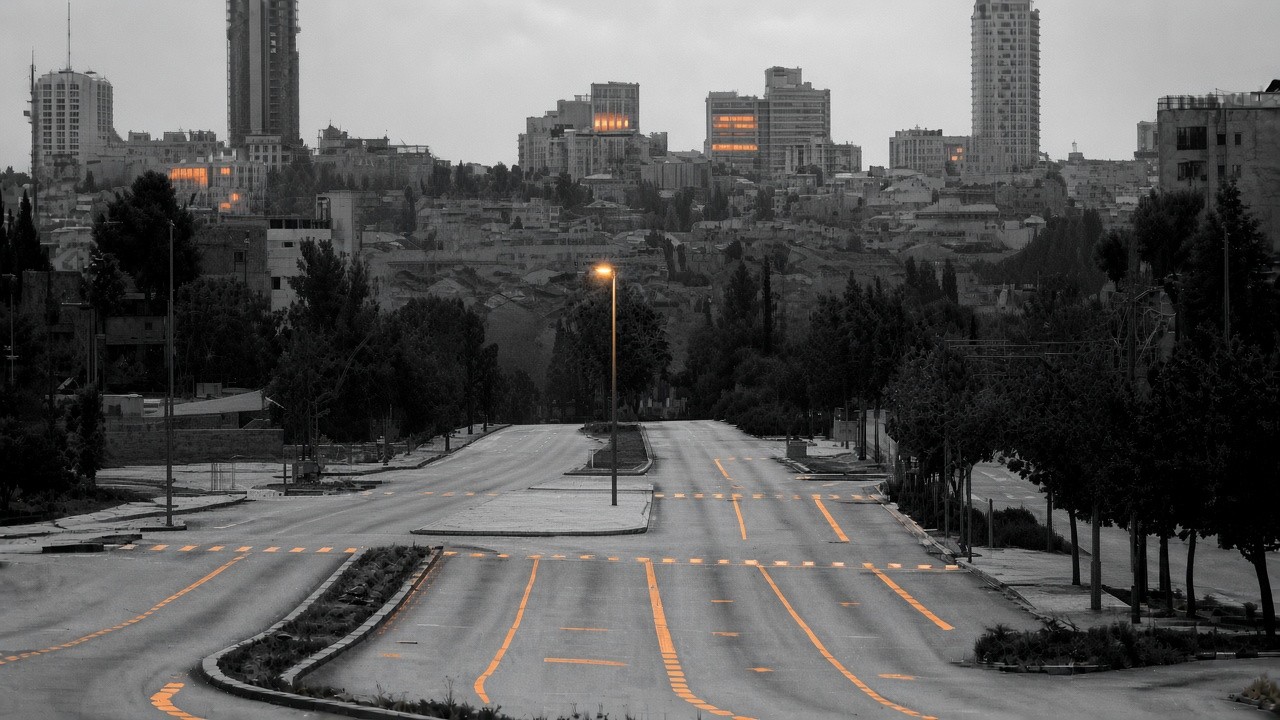
Tel Aviv — In a few hours, this city’s noise will drop. Highways empty. Children bike the boulevards. White clothes appear on the sidewalk. That is not metaphor. It is the annual fact of Yom Kippur in Israel — and if you rent or buy here, it is how the apartment building breathes for twenty-five hours.
The High Holidays this year form a single arc. Yom Kippur begins at sundown on 20 September 2026 (fast day 21 September); Sukkot opens at sundown on 25 September and runs through 2 October. First the silence. Then the temporary huts under the sky.
Hours before the fast: Tel Aviv stops as one
As early autumn settles over Israel, the summer heat yields to a soft evening breeze and the frantic rhythm of daily life slows. In the days — and now the hours — leading up to Yom Kippur, the Day of Atonement, the country enters a pause unlike any other on Earth.
From the avenues of Tel Aviv to Jerusalem, from the northern hills to the southern desert, sunset clears motor traffic. Boulevards become walkways. Children ride empty expressways. People in white gather outside synagogues and neighbourhood corners. Media, commerce and transport yield to a national stillness meant for inner listening.
Four marks of the day, familiar to anyone who has lived a full year in an Israeli building:
- White garments — humility, a clean slate, a brief equality of dress in the stairwell and on the street.
- Slichot and forgiveness — Gmar Chatimah Tovah exchanged with neighbours and strangers.
- Kol Nidre — the opening prayer, ancient melodies in crowded halls and open-air gatherings.
- Twenty-five hours of stillness — no cars, muted commerce, a quiet shaft of the building.
This year the day also carries national weight: a pause to honour the dead, to pray for safety, and to hold a community bound by memory and mutual care. Rather than a purely solemn fast, it radiates a quiet, resilient strength — hope and togetherness without slogans.
For apartment dwellers the practical translation is blunt. Finish shopping and travel before candle-lighting. Expect silence in the stairwell. Expect empty roads if you walk — and almost no cars if you thought you needed one. As the fast ends, synagogues overflow for Ne’ilah; the long blast of the shofar returns the city to light, food, and ordinary noise.
After the shofar: Sukkot comes to the balcony
Five days later the same balconies change costume. Sukkot — the Feast of Tabernacles, also called Zman Simkhatenu, the season of our joy — turns roofs, courtyards and apartment terraces into temporary homes. Families raise a sukkah: a hut open enough to glimpse the stars, lived in for meals and, where possible, for seven days of hospitality.
In Tel Aviv blocks the festival climbs the façades: shared roofs and balconies fill with frames and foliage, children hang paper lanterns, hammers echo for a morning after Ne’ilah. Pop-up markets sell the Four Species — etrog, lulav, hadass, arava — held and waved to the four directions, a ritual of unity made visible. The city does not hide the hut. It wears it.
Under the tradition of Ushpizin — spiritual guests of honour, and real ones too — doors open. Travellers, cousins, and the person from 4B sit under string lights. For renters weighing a lease, this week is a live demo of Israeli density done as hospitality.
What renters and buyers should clock this week
- Yom Kippur (sundown 20 Sept → nightfall 21 Sept): no traffic, full fast for observers, quiet buildings; plan before sundown.
- Sukkot (sundown 25 Sept → 2 Oct): balcony and roof sukkahs; Chol HaMoed mid-week; holiday rhythm for schools and many offices.
- Building reality: many apartments host a sukkah on the balcony or roof — part of how the building keeps the season.
Bottom line. A few hours from now, Tel Aviv goes quiet for Yom Kippur. From 25 September, the same balconies grow sukkahs. Living here means both: the sealed day of reflection, then the fragile roof and the open table. True strength, as this city shows each autumn, springs from empathy, togetherness, and the belief that tomorrow still opens.
FAQ
When is Yom Kippur 2026 in Israel?
It begins at sundown on 20 September 2026 and ends at nightfall on 21 September 2026.
When is Sukkot 2026 in Israel?
Sukkot begins at sundown on 25 September 2026 and ends at nightfall on 2 October 2026, followed by Shemini Atzeret / Simchat Torah.
Can you build a sukkah on a Tel Aviv apartment balcony?
Yes — balcony and roof sukkahs are a familiar part of Tishrei in Tel Aviv apartment life. Build safely and enjoy the week under the leaves.
Do Tel Aviv apartment buildings stay open during the High Holidays?
Yes. Yom Kippur is quiet and mostly closed for traffic and commerce; Sukkot is festive, with many balconies hosting sukkahs. Building services vary — ask your va’ad bayit.
Leave a Reply